
BUILDING SAFE,
CONFIDENT SWIMMERS
LEARN TO SWIM
With small class sizes, quality teaching and a skill-based levels approach, we help every swimmer build confidence, ability and enjoyment in the water.
Ripples Swim School supports children through every stage of their swimming journey, from early water confidence to advanced stroke development.
Our Learn to Swim program is built to help children become safe, confident and independent in the water. Every stage focuses on progression, with swimmers moving through levels as they develop the skills, strength and confidence needed for the next step. Aquatic survival skills are introduced at age and skill-appropriate stages and reinforced throughout the program, because swimming well starts with feeling safe in the water.
Qualifications
We pride ourselves on keeping up to date in the aquatics industry
Teacher of swimming & water safety
Teacher of infant & preschool aquatics
Teacher of aquatics - access & inclusion
Teacher of towards competitive strokes & coaching
Teacher of aquatics - adults
Puggles swim school - deaf children
Australia CPR and First aid
Current working with children checks
Our Levels Approach
At Ripples, children progress through five main streams: Foundations, Independence, Technique, Development and Squads. Each stream includes several levels, giving swimmers a clear pathway from early water familiarity right through to more advanced swimming skills. Progress is monitored along the way, so families can clearly see how their child is developing and what comes next.
Foundations
This is where young swimmers begin building trust, confidence and comfort in the water. These early levels focus on water conditioning, breath control, floating, submersions and early aquatic safety skills, while also giving parents the support and guidance to practise correct techniques alongside their child.
Jellyfish/Starfish - 30 mins - ratio 1:6
Turtles - 30 mins - ratio 1:3
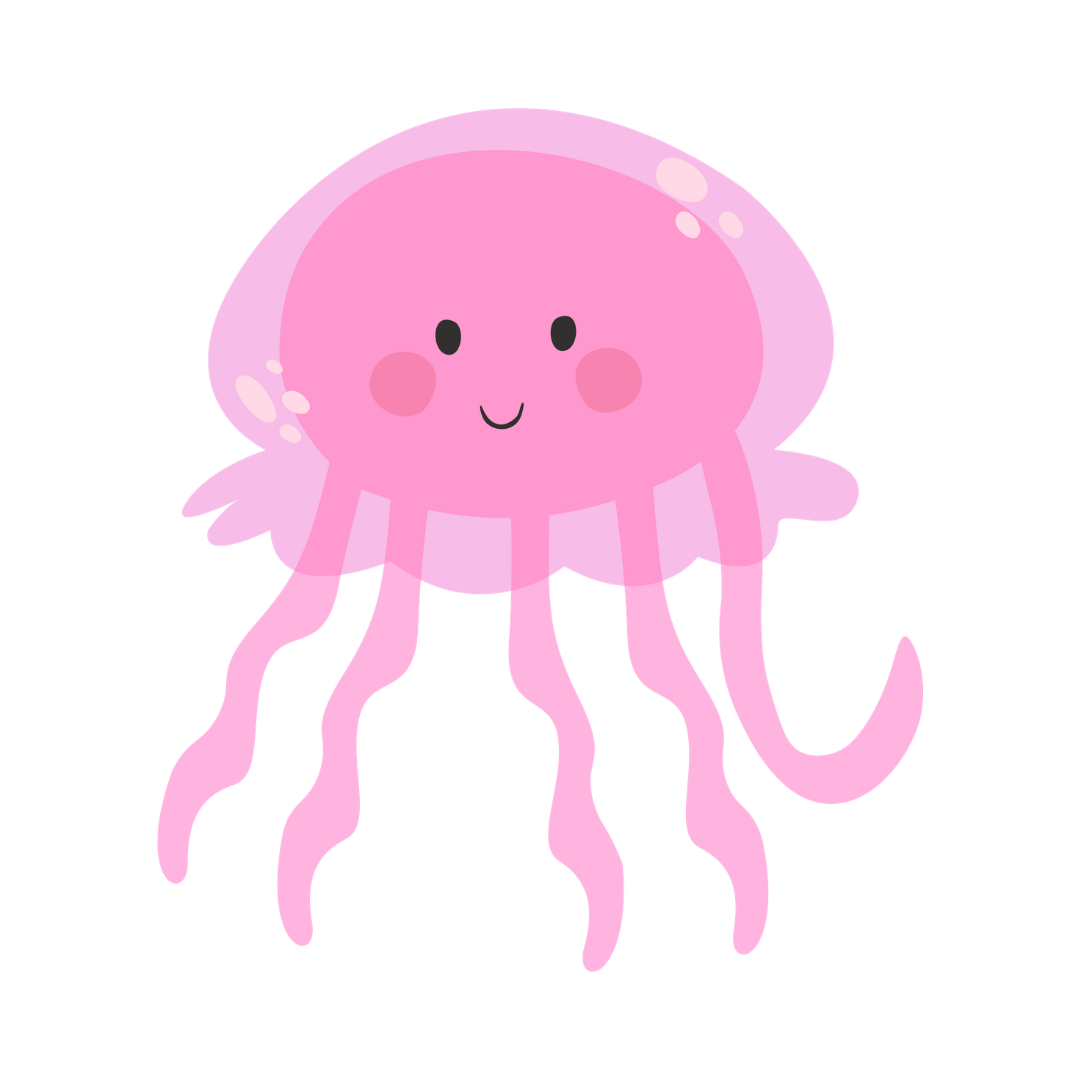
Jellyfish
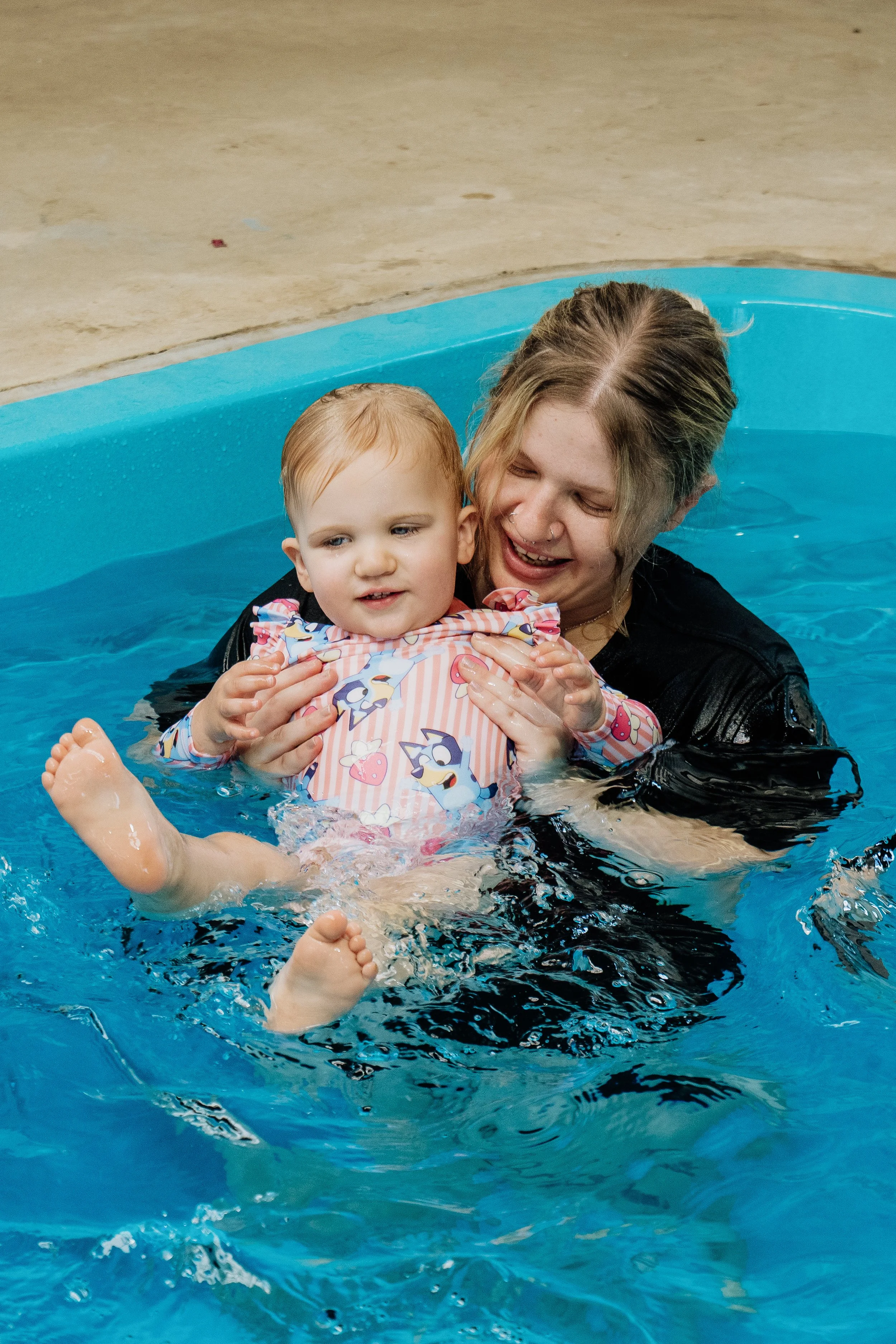
Our Jellyfish class is for babies between the ages of 4 months – maximum 18 months. In this class, we focus on water conditioning, breath control, free float submersions and back floating. We introduce all of our Safety Skills in this level. We place a huge focus on teaching our parents correct water techniques, so you have maximum and correct practise time in the water. While we are teaching these skills, there is lots of fun and bonding with parent and baby throughout each class. Our little jellyfish who meet the competency-based criteria of the class will be assessed and moved into our Starfish class.
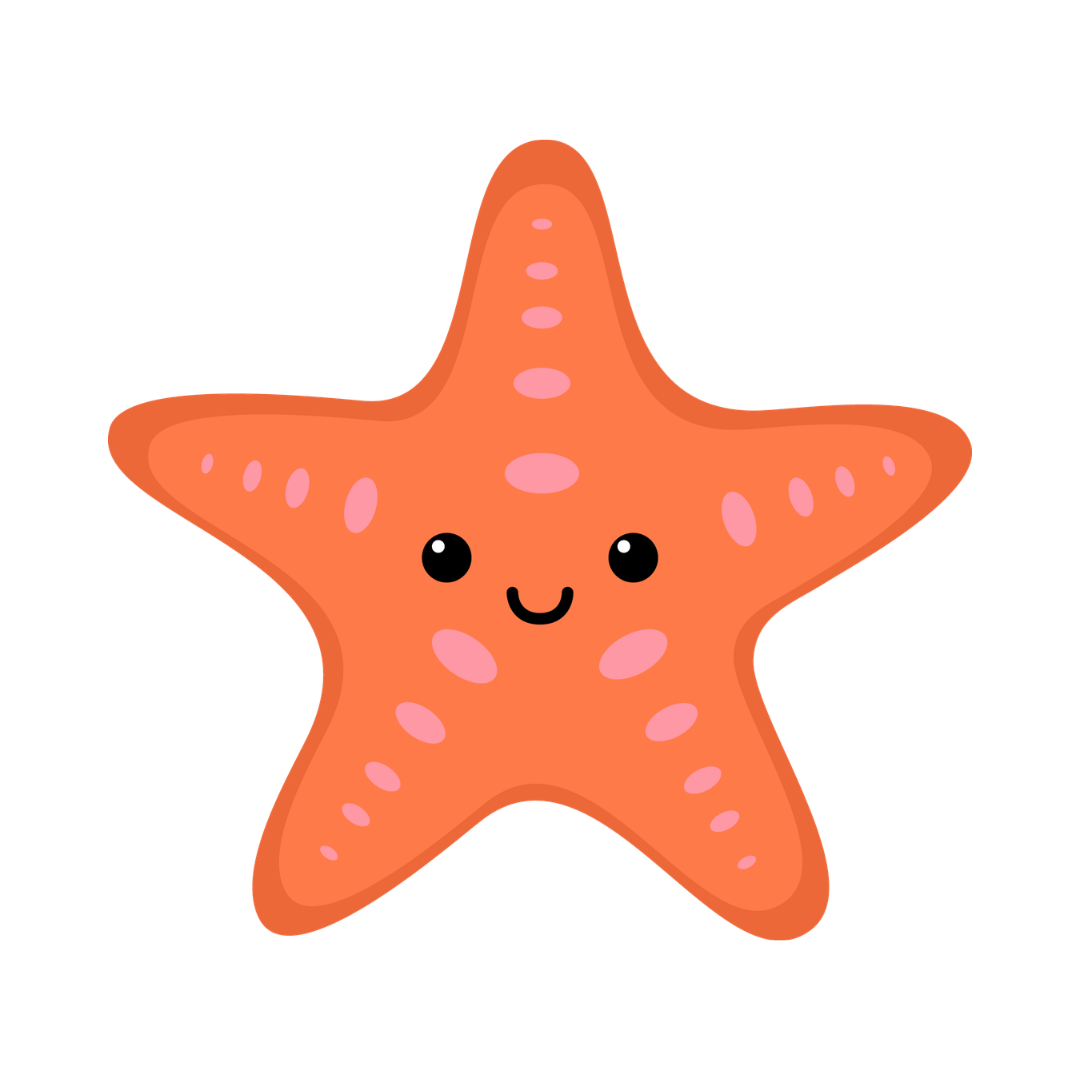
Starfish
Our Starfish class is for toddlers between the ages of 15 months – 30 months (36 month maximum age). Our Starfish classes are the perfect progression from our jellyfish class, the skill set for our Starfish class is very high and our swimmers are challenged throughout their learning. Our Starfish are working on extended breath control and longer independent swims with relaxed and natural propulsion. Our safety skills of recovering back to the wall, and rolling to float will be advanced upon. It is our aim that by the time our swimmers are 2 years and 6 months old that they will be working towards water independence.
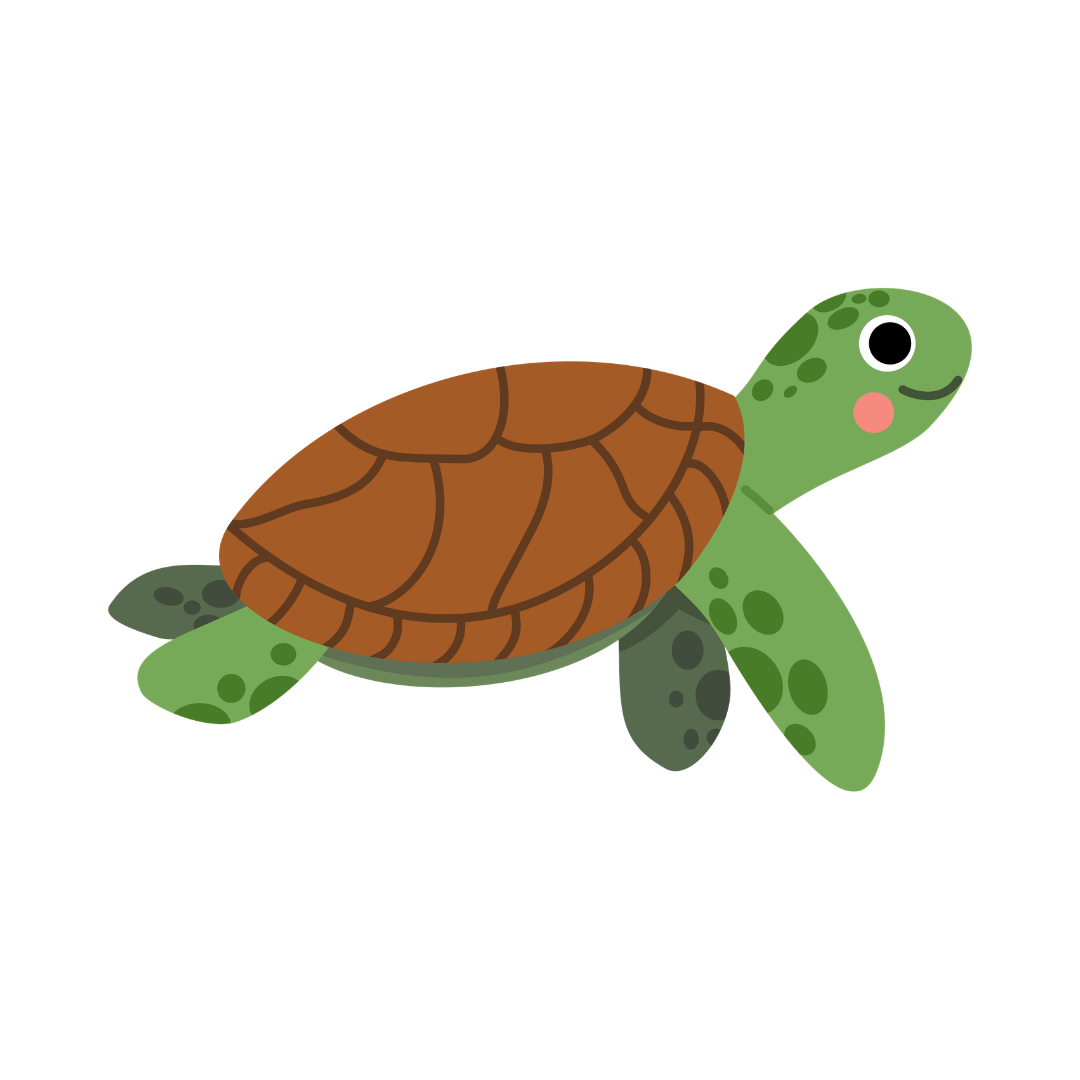
Turtles
Our Turtles class is the final class in the Foundations stream, this will allow your child to transition into classes by themselves without a parent in the water. When starting the Ripples Swim program as a baby, it is our aim to have our tiny swimmers possessing the skills to be ready for this next challenge at a young age. For that reason, we will ensure a small student ratio with a maximum of 3 swimmers in each class.
learn to swim & stroke development classes
From the moment children enter our independent levels, lessons focus on developing strong water safety foundations alongside correct stroke technique, body positioning, breathing and endurance — all taught in a supportive environment where every child is encouraged at their own pace.
IndependEnce
The Independence level is designed to help swimmers build the skills needed to move safely and confidently through the water on their own. At this stage, children focus on developing correct breath control, head and body position, kicking technique, floating and core safety skills, creating a strong foundation for ease in the water and the next step into learning swimming strokes.
Seahorses - 30 mins ratio 1:3
Crocodiles - 30 mins ratio 1:4
Technique
The Technique level introduces swimmers to the four strokes of swimming: Freestyle, Backstroke, Breaststroke and Butterfly. At this stage, skills are taught progressively and reinforced at the right time in each swimmer’s development, helping children build correct technique, confidence and enjoyment while continuing to grow in skill and ability through every lesson.
Octopus - 30 mins - ratio 1:4
Whales - 30 mins - ratio 1:4
Development
The Stroke Development level refines Freestyle and Backstroke while breaking down the key elements of Breaststroke and Butterfly through targeted drills. As swimmers progress, they build stronger technique, aerobic fitness and confidence, while also being introduced to starts, turns, finishes and racing skills in a fun, supportive environment.
Dolphins - 30 mins - ratio 1:4
Sharks - 45 mins - ratio 1:4
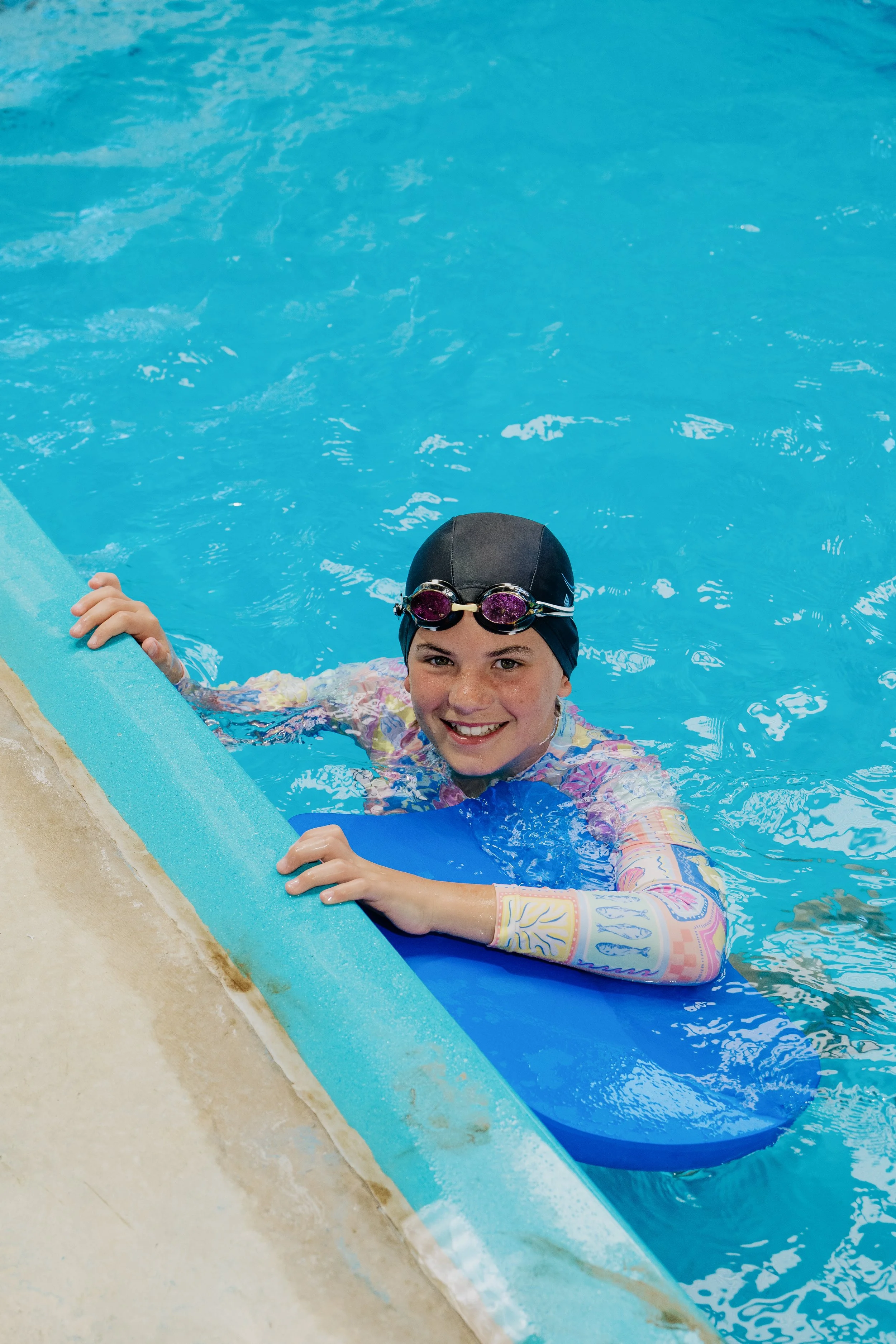
Mini Squad Stroke Development
The Stroke Development level is where swimmers begin to recognise their full potential in the water, building on their existing skills with greater strength, confidence and purpose. At this stage, Freestyle and Backstroke are refined in more detail, while targeted drills help break down the key elements of Breaststroke and Butterfly to develop strong, technically correct strokes. As swimmers progress through these levels, they also build aerobic fitness through efficient swimming and are introduced to important competitive skills such as starts, turns, finishes and racing techniques, all within a fun, encouraging and supportive environment.
-
Please dress your children in appropriate swimwear. As the pool is beautifully warm, we do not encourage rash vests or board shorts to be worn in classes. These can hinder swimming skills being performed correctly. All children under the age of 3 (or any who are not completely toilet trained), are required to wear a disposable swimming nappy, with a reusable swim nappy over the top to secure this. We sell these products in our Centre at our Reception desk. Goggles are a vital teaching aid at various stages of the learning process. We sell a great range at the reception desk. Our lessons do include frequent goggle free activities. The wearing of swimming caps is compulsory for all children in our Turtles level and above. Swimming caps keep hair out of the mouth and eyes. They also help enormously with filtration and therefore pool cleanliness. Lastly, they really assist our teachers in instructing your children.
-
In our program, children who are consistent and are swimming once per week may be in the same level for approximately 12 months or at least 60 lessons. Children who are swimming twice per week consistentley may be in the same level for approximately 8 months or at least 40 lessons. This does differ from child to child and some children will progress slower and some children will progress quicker. There are particular levels that children progress through more slowly than others as well.
-
Swimming without goggles is an essential part of a child’s swimming journey. It is incredibly important to ensure all children are relaxed and comfortable getting their eyes wet in case they ever fell into a pool.
-
Crying during swimming lessons can occur for several reasons. Crying can be due to be due to separation, finding a new level/skill too challenging, or having an off week (we all have off days when we just don't want to do something.) If your child is new generally it will take up to 4 or 5 lessons for them to settle in. It is extremely important to stay consistent and positive about swimming lessons at this point. There have been even the most unsettled children come out the other end because their parents have stayed committed.
-
Separation anxiety may begin as early as 6 months old and last until your child is 3 years old. It most frequently develops between 8 and 12 months and peaks between 12 and 24 months. This peak in separation anxiety usually occurs when your child is nearly ready to progress from a starfish class to turtles class without a parent in the water. Some children may become clingy/upset in lessons around this age. It is important to understand that this is not related to your child becoming fearful of the water or disliking lessons, it is purely because of this peak in separation anxiety. It is important to stay consistent and remain calm to ensure we push through this little regression, so our kids come out the other side.
-
All new students who are over the age of 3 and can swim independently without the use of floatation aids require an assessment prior to enrollment. No swimming experience or not yet independent do not require an assessment.
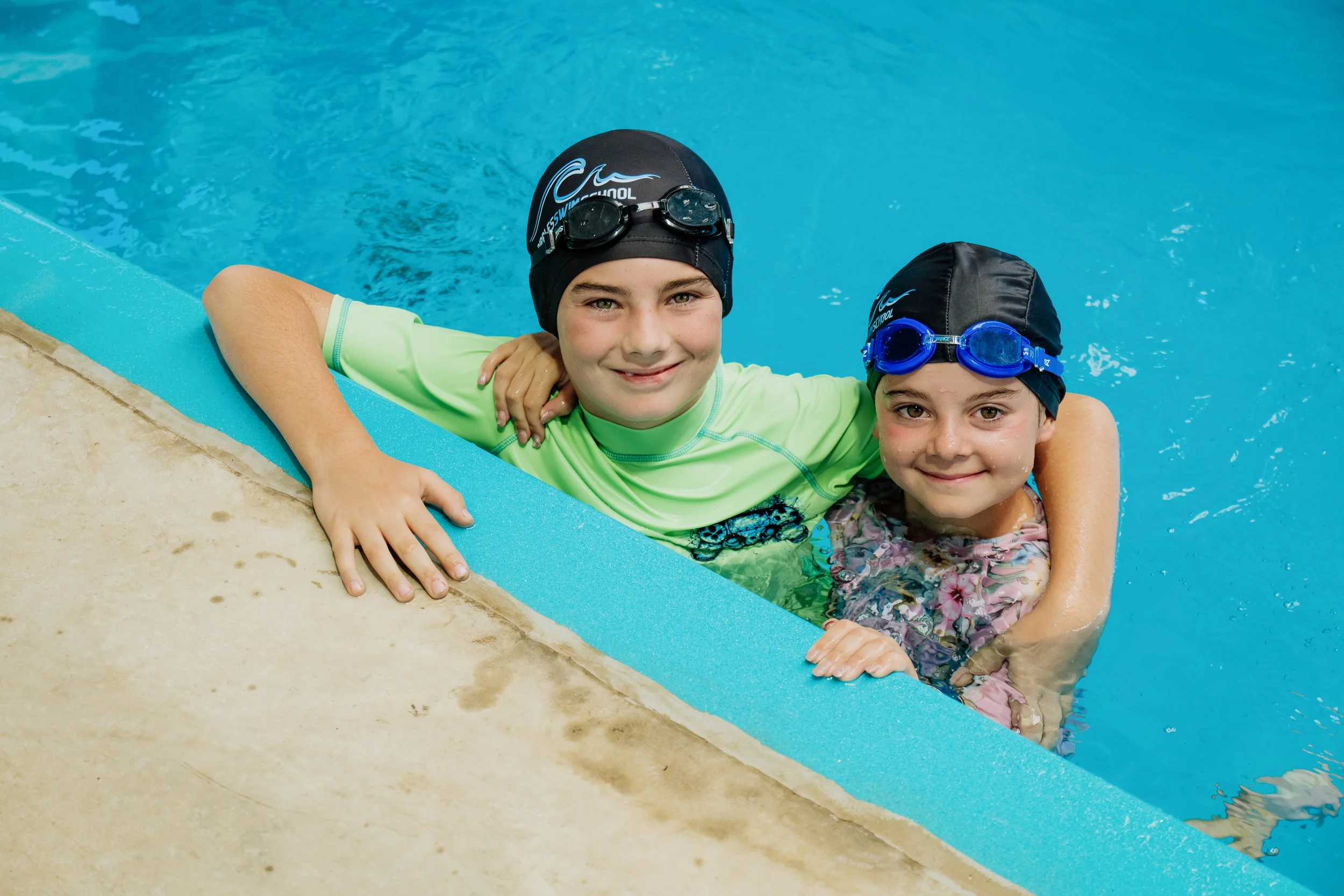
Ready for your child to thrive in the water?
Whether your child is just getting started or ready to take the next step, now is the perfect time to help them build confidence in the water with a program designed to grow with them.